
Why Skipping Shampoo May Worsen DHT Damage and Accelerate Hair Loss
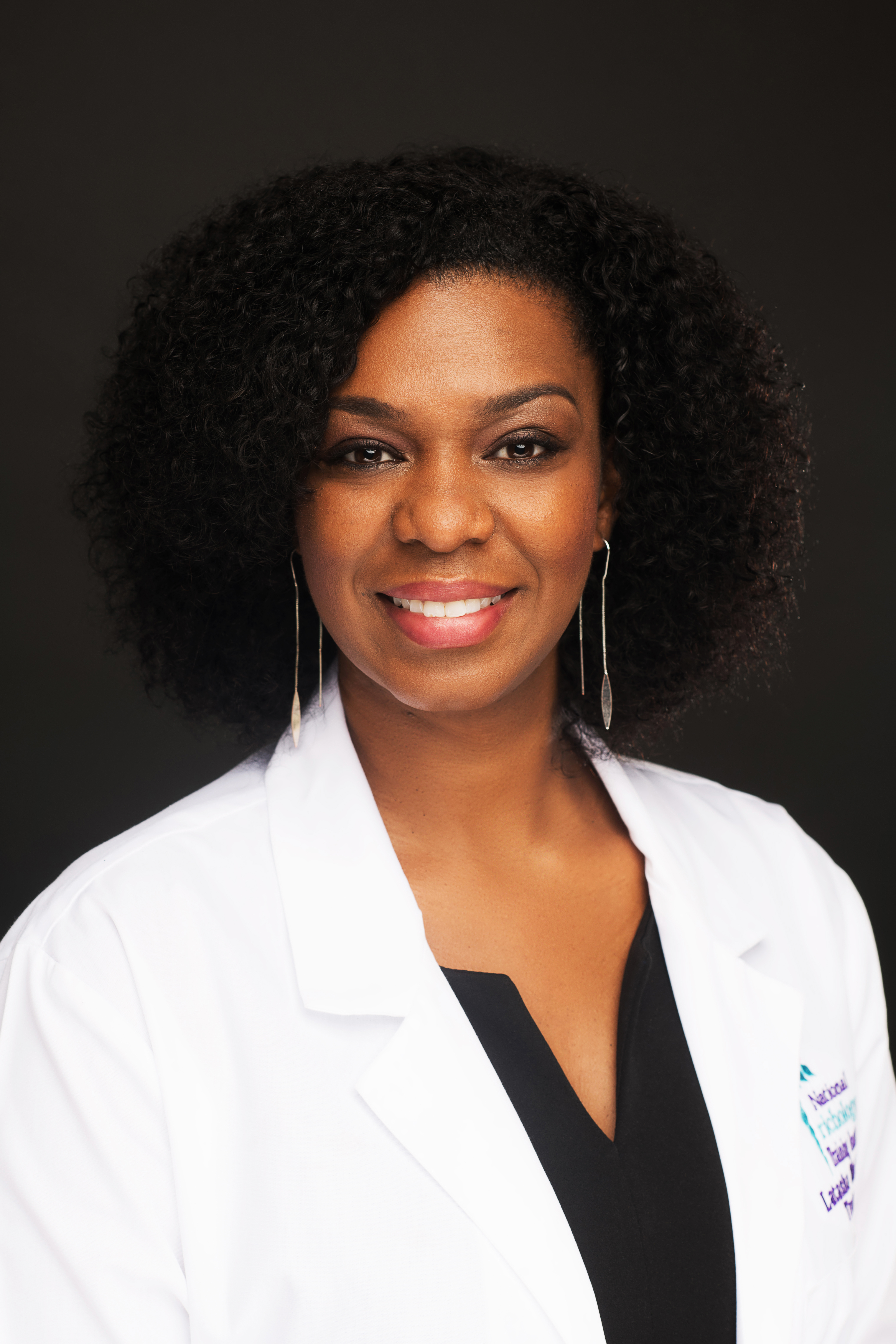

Trichologist Latasha Wright Savannah Ga explains on scalp hygiene, DHT, and evidence-based hair preservation.
A new wave of social media advice is encouraging people to wash their hair less—or abandon shampoo altogether—under the belief that it “preserves” hair and prevents thinning. While these claims often stem from personal anecdotes, there’s no scientific evidence to support them.
Key point: For individuals with androgenetic alopecia (male or female pattern hair loss), neglecting scalp hygiene can make matters worse. When the scalp isn’t cleansed regularly, sebum, inflammation, and microbial imbalance can amplify the damaging effects of dihydrotestosterone (DHT).
How Scalp Hygiene Impacts Hair Loss
Androgenetic alopecia (AGA) is a hereditary condition in which certain hair follicles are genetically sensitive to DHT. Over time, these follicles shrink, leading to finer, shorter, and less pigmented hairs.
But DHT isn’t the only culprit. Research shows that inflammation and scalp microbiome imbalance can accelerate follicular miniaturization. A study in the Journal of Investigative Dermatology found early AGA shows signs of perifollicular microinflammation—low-grade, chronic inflammation that can impair normal cycling and regrowth.1
When cleansing is neglected, sebum accumulates. Excess oil can trap DHT and inflammatory molecules near follicles while fueling overgrowth of Malassezia yeast and other microbes. Studies in Skin Appendage Disorders link such imbalances with flaking, itching, and inflammation that undermine follicular health.2
The Shampoo Debate: Separating Fact from Fear
People often avoid shampoo due to concerns about sulfates (e.g., sodium lauryl sulfate, sodium laureth sulfate). While sulfates can be drying or irritating for sensitive scalps, there is no evidence they cause permanent hair loss.
A review in Dermatologic Clinics concluded that sulfates primarily affect the outer hair shaft and scalp barrier, not the follicle itself. They may occasionally irritate, but they do not drive the follicular miniaturization seen in AGA.3 For sensitive or inflamed scalps, consider sulfate-free or medicated formulas—just don’t skip cleansing altogether.
What Happens When You Stop Washing
Without regular washing, many notice itching, oiliness, odor, or gritty buildup near the roots. These are signs of oxidized sebum, keratin debris, and microbial overgrowth that can clog follicles and reduce oxygen flow.
AGA-affected follicles already face reduced immune privilege and greater oxidative stress.4 Add chronic inflammation or microbial imbalance, and thinning can accelerate.
Myth check: Washing doesn’t cause shedding. Hairs in the drain have already detached during the normal telogen phase. Skipping shampoo may delay when you notice shedding, but it won’t prevent it—and it allows inflammatory debris to remain longer.
The Bottom Line
For anyone with AGA, scalp hygiene is essential. Choose a gentle, non-irritating shampoo (sulfate-free if needed), but don’t avoid cleansing. A clean scalp supports healthier microbiome balance and lower inflammation, helping protect vulnerable follicles.
Paired with clinically proven therapies, consistent cleansing becomes a simple, powerful part of long-term hair preservation.
References
Mahé, Y.F., et al. (2000). Androgenetic alopecia and microinflammation. Journal of Investigative Dermatology Symposium Proceedings, 5(3), 171–174.
Clavaud, C., et al. (2013). Dandruff is associated with disequilibrium in the proportion of the major bacterial and fungal populations colonizing the scalp. Skin Appendage Disorders, 2(1), 1–8.
Draelos, Z.D. (2010). Shampoos, conditioners, and camouflage techniques. Dermatologic Clinics, 28(3), 395–400.
Ito, T., & Tokura, Y. (2014). The immune privilege of hair follicles: a major factor contributing to the pathogenesis of alopecia areata. Journal of Investigative Dermatology, 134(6), 1490–1491.
© 2025 CPHR. Educational content only; not a substitute for medical advice. For personalized care, consult a licensed clinician.


Comments