
Effective Hair Loss Solutions for All Hair Types

Hair loss is a common concern that affects people of all ages and hair types. Whether you have straight, curly, wavy, or coily hair, finding the right approach to maintain healthy hair and prevent excessive shedding is essential. This article explores effective solutions to stop hair loss, offering practical advice and actionable tips tailored to various hair types.
Understanding Solutions to Stop Hair Loss
Hair loss can result from many factors including genetics, stress, diet, hormonal changes, and environmental influences. Before diving into treatments, it’s important to understand the root cause of your hair loss. Consulting a dermatologist or trichologist can help identify whether your hair loss is temporary or chronic.
Some common causes include:
Androgenetic alopecia (pattern baldness)
Telogen effluvium (stress-related shedding)
Nutritional deficiencies
Scalp infections or conditions
Excessive heat or chemical treatments
Once the cause is identified, you can explore targeted solutions to stop hair loss effectively.
Tailored Hair Care Routines for Different Hair Types
Each hair type requires a unique care routine to maintain scalp health and prevent hair loss. Here’s how to adapt your hair care based on your hair texture:
Straight Hair
Use gentle shampoos that cleanse without stripping natural oils.
Avoid heavy conditioners that can weigh hair down.
Limit heat styling to prevent breakage.
Wavy Hair
Opt for moisturizing shampoos and conditioners to enhance natural waves.
Use wide-tooth combs to detangle gently.
Apply leave-in conditioners to reduce frizz and breakage.
Curly Hair
Curly hair tends to be drier, so deep conditioning treatments are essential.
Avoid sulfates and harsh chemicals that can damage curls.
Use satin or silk pillowcases to reduce friction and hair breakage.
Coily Hair
Coily hair requires intense moisture and gentle handling.
Incorporate oils like coconut or argan oil to seal in moisture.
Protective hairstyles can help reduce tension and hair loss.
By customizing your hair care routine, you can strengthen your hair and reduce the risk of hair loss.

Nutritional and Lifestyle Changes to Support Hair Growth
Healthy hair starts from within. Nutritional deficiencies can significantly impact hair strength and growth. Incorporate the following nutrients into your diet to support hair health:
Protein: Hair is primarily made of keratin, a protein. Include lean meats, eggs, and legumes.
Iron: Deficiency can cause hair thinning. Eat spinach, lentils, and red meat.
Vitamin D: Supports hair follicle cycling. Get moderate sun exposure and consume fortified foods.
Omega-3 Fatty Acids: Found in fish and flaxseeds, they nourish hair follicles.
Biotin: A B-vitamin essential for hair growth, available in nuts, seeds, and eggs.
In addition to diet, lifestyle habits like reducing stress through meditation or exercise can improve hair health. Avoid smoking and excessive alcohol consumption, as they can contribute to hair loss.
Medical and Natural Treatments for Hair Loss
There are various medical and natural treatments available to address hair loss. Choosing the right one depends on the severity and cause of your condition.
Medical Treatments
Minoxidil: An over-the-counter topical treatment that stimulates hair growth.
Finasteride: A prescription oral medication for men that reduces hair loss.
Platelet-Rich Plasma (PRP) Therapy: Involves injecting your own plasma into the scalp to promote growth.
Hair Transplant Surgery: A permanent solution for advanced hair loss.
Natural Remedies
Essential Oils: Rosemary, peppermint, and lavender oils can improve scalp circulation.
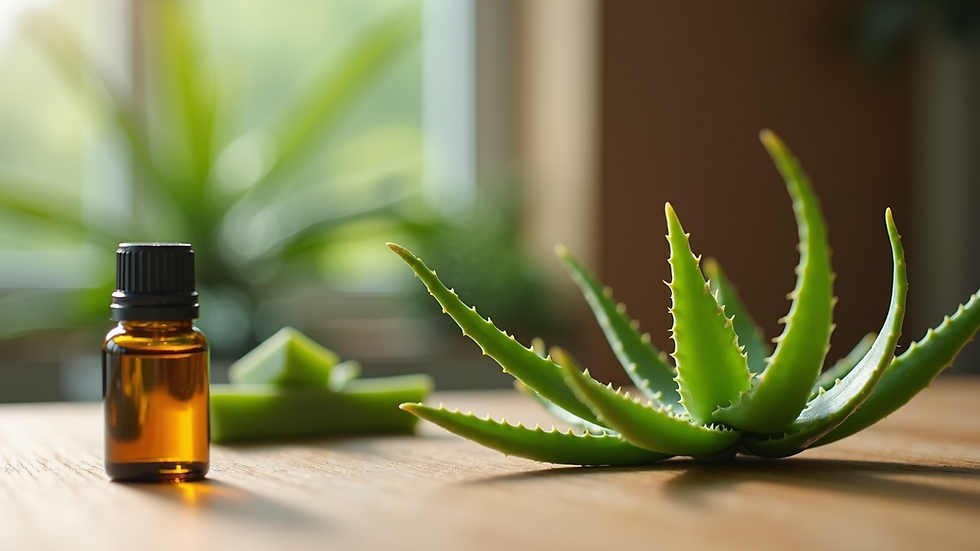
Aloe Vera: Soothes the scalp and reduces inflammation.
Scalp Massage: Increases blood flow to hair follicles.
Herbal Supplements: Saw palmetto and ginseng may help reduce hair loss.
Always consult a healthcare professional before starting any treatment to ensure it’s safe and appropriate for your situation.
Practical Tips to Prevent Hair Loss Daily
Incorporating simple habits into your daily routine can make a big difference in preventing hair loss:
Avoid tight hairstyles that pull on the scalp, such as tight ponytails or braids.
Use a gentle shampoo and avoid washing hair with very hot water.
Limit heat styling tools like flat irons and curling wands.
Protect hair from sun damage by wearing hats or using UV protection sprays.
Sleep on silk or satin pillowcases to reduce friction and breakage.
Trim hair regularly to prevent split ends and maintain healthy strands.
Stay hydrated to keep hair and scalp moisturized.
By following these tips consistently, you can maintain stronger hair and reduce the risk of hair loss.
Exploring Professional Hair Loss Solutions
If you are experiencing persistent hair loss, it’s important to explore professional hair loss solutions that can provide personalized care. Clinics specializing in hair restoration offer advanced diagnostics and treatments tailored to your hair type and condition.
Professional options include:
Customized topical treatments
Laser therapy to stimulate follicles
Nutritional counseling
Scalp micropigmentation for cosmetic improvement
Seeking expert advice ensures you receive the most effective and safe treatment plan.
Maintaining Confidence and Patience During Hair Recovery
Hair regrowth takes time, and results may not be immediate. It’s important to stay patient and maintain confidence throughout your hair recovery journey. Celebrate small improvements and focus on overall scalp and hair health.
Remember, combining proper hair care, nutrition, and professional treatments can lead to significant improvements. Stay consistent and consult professionals when needed to optimize your results.
By understanding your hair type and adopting a comprehensive approach, you can find effective solutions to stop hair loss and enjoy healthier, fuller hair. Whether through lifestyle changes, natural remedies, or professional treatments, there are many options available to support your hair growth journey.


Comments