

How to Strengthen Thinning Hair With Care

Finding more hair in the shower, noticing a wider part, or seeing your ponytail feel smaller can make getting ready feel discouraging. If you are wondering how to strengthen thinning hair, start with this: thinning is not a personal failure, and it is not always something a new shampoo can fix. Hair changes often reflect what is happening at the scalp, within the follicle, or elsewhere in the body.
The most effective path is not guesswork. It is a clear assessment, consistent care, and a treatment plan that fits the type and cause of your hair loss. For women and men in Savannah, Pooler, and the Coastal Georgia and Lowcountry communities, getting answers early can help protect the hair you still have and create the best conditions for healthier growth.
How to strengthen thinning hair by finding the cause
Hair becomes thinner for different reasons, and the right solution depends on which one is affecting you. Some people experience increased shedding after illness, surgery, major stress, rapid weight loss, childbirth, or a medication change. Others have gradual hereditary thinning, also called androgenetic alopecia, that becomes more visible around the part line, temples, or crown.
Scalp conditions can also interfere with healthy growth. Inflammation, buildup, dandruff-like flaking, tenderness, excessive oil, or itching may signal that the scalp needs attention. Certain forms of alopecia can cause more sudden or patchy loss and should be evaluated promptly. Tight hairstyles, frequent chemical processing, heat damage, and traction can weaken strands and stress follicles as well.
This is why a personalized hair and scalp assessment matters. A trained trichology professional can look at your pattern of loss, scalp condition, daily habits, health history, and possible contributing factors. The goal is not to promise that every type of hair loss can be reversed. The goal is to identify what can be addressed, preserve existing follicles, and choose realistic next steps.
Know the difference between shedding and breakage
Shedding occurs when hair releases from the follicle. You may see full-length strands with a small white club-shaped bulb at one end. Breakage happens along the hair shaft and often appears as shorter pieces, frizz, split ends, or uneven length.
You can have both at the same time. Reducing breakage improves the appearance and manageability of thinning hair, but it will not by itself treat a follicle-based shedding condition. A close look at both the scalp and the strands helps avoid spending months treating the wrong problem.
Build a scalp routine that supports follicles
Your scalp is skin, and follicles function best in a clean, balanced environment. Many people with thinning hair become afraid to wash because they see strands come out during cleansing. In most cases, washing does not cause the shedding. It simply releases hairs that were already in the shedding phase.
Choose a cleansing schedule that fits your scalp. If you have oil, sweat frequently, use styling products, or have buildup, regular gentle cleansing may be beneficial. If your hair is very dry, textured, color-treated, or fragile, you may need a more moisture-conscious routine. The right frequency is personal, but leaving heavy residue on the scalp for long periods is rarely helpful.
Use the pads of your fingertips, not your nails, to massage shampoo gently across the scalp. Rinse thoroughly, and keep conditioners and heavier oils mostly on the mid-lengths and ends unless a clinician has recommended a scalp-specific product. If you have persistent itching, flakes, soreness, pustules, or burning, do not try to scrub the problem away. These symptoms deserve professional attention.
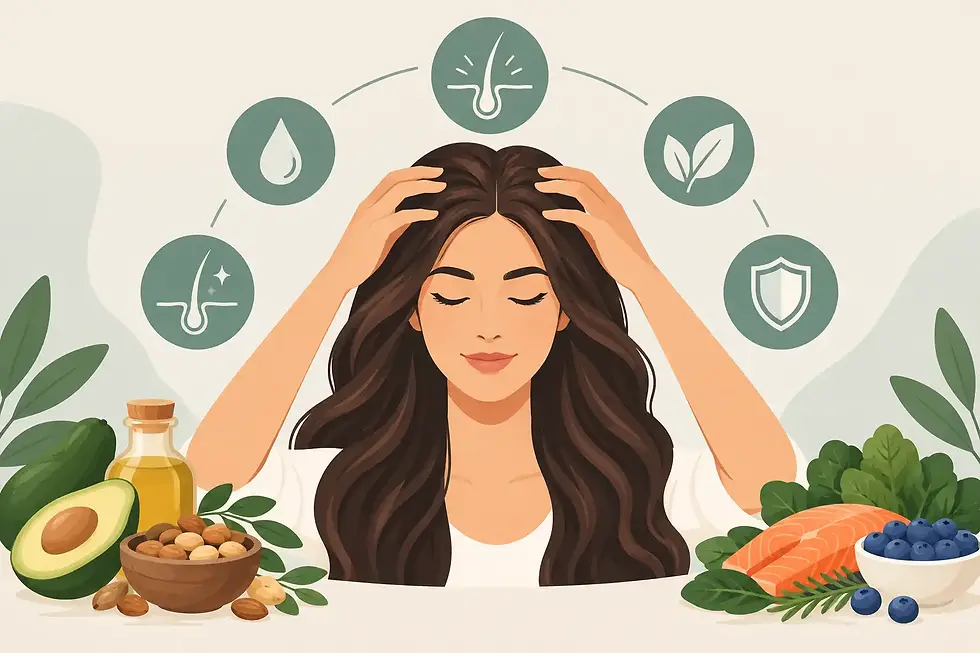
A scalp massage can feel calming and may help you become more aware of tenderness or changes in your scalp. Still, massage is supportive care, not a standalone cure for genetic hair thinning or alopecia. Be wary of any routine that promises fast regrowth from one oil, supplement, or viral scalp remedy.
Protect thin hair from daily damage
Thinning hair needs gentle handling, especially when wet. Wet strands stretch more easily, so detangle slowly with a wide-tooth comb or a brush designed for fragile hair. Begin at the ends and work upward rather than pulling through knots from the root.
Avoid styles that create constant tension at the hairline or crown. Sleek buns, tight ponytails, braids, extensions, and wigs that pull can contribute to traction-related loss over time. A style does not have to hurt to cause damage, but pain, headaches, bumps, or tenderness are clear signs that it is too tight.
Heat and chemical services may still be possible for some people, but the trade-off should be considered. Frequent high-heat styling, bleach, relaxers, and aggressive coloring can increase breakage and make thin areas look more pronounced. Lower heat settings, heat protectant, professional application, and longer intervals between services can help reduce stress on the hair shaft.
For people who wear protective styles or hair systems, proper installation, scalp access, and timely maintenance are essential. Protective should truly mean protective. If a style causes pressure, itching, inflammation, or increased shedding when removed, it may need to be adjusted.
Support hair growth from the inside out
Hair is not essential to survival, so the body may direct nutrients and energy elsewhere during periods of stress, illness, restrictive dieting, or nutritional imbalance. A nourishing eating pattern supports overall wellness and provides the building blocks hair needs.
Focus on regular meals with adequate protein, along with iron-rich foods, fruits and vegetables, healthy fats, and a range of vitamins and minerals. If you follow a restricted diet, have digestive concerns, experience heavy menstrual cycles, or have recently lost weight quickly, talk with a qualified healthcare professional about whether laboratory testing or nutrition support makes sense.
Supplements are not automatically harmless or necessary. Taking high doses of certain nutrients without a documented need can create other health concerns, and some supplements can interact with medications. A personalized recommendation is safer than choosing a bottle based on a before-and-after photo.
Stress management also belongs in the conversation. Stress is not the cause of every case of hair loss, and no one should be blamed for their symptoms. Yet prolonged stress can affect the hair cycle for some people. Sleep, movement, counseling, prayer or meditation, and practical support can all be part of a whole-person plan.
Consider evidence-based treatment options
When follicles are still active, early treatment can make a meaningful difference. Depending on the diagnosis, a plan may include scalp therapies, clinically appropriate topical treatments, low-level light therapy, wellness support, or other provider-recommended options. Some treatments are designed to reduce shedding, while others aim to support stronger growth or improve the scalp environment.
Results take time because hair grows in cycles. It is common to need several months of consistent care before you can fairly evaluate progress. Taking photos in the same lighting and part placement every month can help you see gradual changes that are easy to miss day to day.
It also helps to set the right expectation: treatment may improve density, slow progression, reduce shedding, or make hair easier to style, but results vary based on diagnosis, duration of loss, follicle health, medical history, and consistency. If follicles have been inactive for a long time, a non-surgical hair replacement solution may be a confidence-restoring option while you continue to address scalp and wellness needs.
When to seek an assessment promptly
Schedule an evaluation sooner rather than later if you notice sudden heavy shedding, bald patches, scalp pain, redness, scaling, or a rapidly widening part. The same is true if hair loss begins after a new medication, a significant health event, or unexplained changes in weight, energy, or menstrual cycles. These details can help guide the next conversation with your healthcare providers.
A consultation is especially valuable when you have tried multiple products without answers. At Carolina Peach Hair Restoration, the focus is on understanding the condition behind the concern and building a plan around your scalp, follicles, lifestyle, and goals.
Thinning hair can feel deeply personal, but you do not have to carry the uncertainty alone. Start with an honest look at the changes you are seeing, treat your scalp and strands with care, and seek knowledgeable support before waiting becomes another source of stress.


Comments