
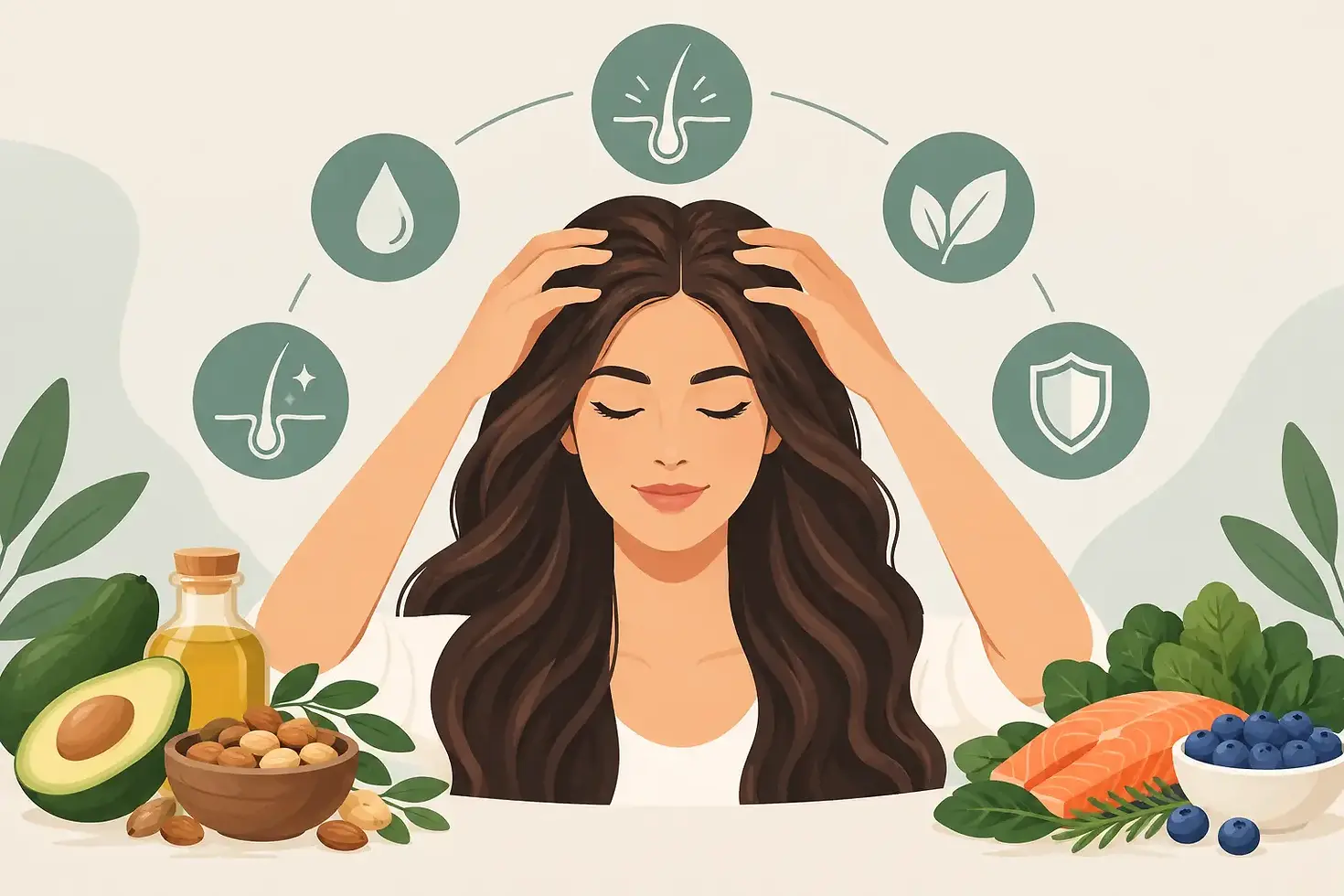
How to Nourish Scalp Health for Fuller Hair

A tight ponytail that suddenly feels smaller. More hair in the shower drain than usual. An itchy, tender scalp that makes wash day feel uncomfortable. These changes can be unsettling, especially when you cannot tell whether they are temporary or the start of something more serious. Learning how to nourish scalp health is a meaningful step because healthy-looking hair begins with the environment surrounding each follicle.
Scalp care is not about chasing a miracle oil or adding more products to an already crowded routine. It is about supporting the scalp barrier, keeping follicles clear of excess buildup, and paying attention to signs that your hair and body may need more focused care. For people experiencing thinning, shedding, or alopecia, a thoughtful approach can replace guesswork with a clearer path forward.
Why Scalp Health Matters to Hair Growth
Your scalp is skin, but it has a demanding job. It houses thousands of hair follicles, produces oil, responds to inflammation, and is affected by styling habits, hormones, nutrition, stress, medications, and health conditions. When the scalp is irritated, inflamed, excessively dry, or coated in buildup, hair may not look or feel its best.
Nourishing the scalp does not guarantee that every type of hair loss will reverse. Hereditary hair loss, autoimmune alopecia, scarring conditions, and hormonal shifts can require specialized treatment beyond home care. Still, improving scalp conditions can help reduce avoidable stress on the follicles and support a healthier foundation for the hair you have.
The goal is not a perfectly oil-free scalp. Natural oil, called sebum, helps protect the skin and hair shaft. Problems often arise at either extreme: too much oil and product residue can contribute to flakes and irritation, while overly aggressive cleansing can leave the scalp dry, tight, and reactive.
How to Nourish Scalp Skin With a Consistent Routine
The best routine is usually the one you can follow without irritating your scalp. Start with gentle cleansing that matches your hair texture, scalp oil level, activity level, and styling routine. Someone who exercises daily or uses heavy styling products may need to shampoo more often than someone with a dry scalp and minimally manipulated hair.
Focus your shampoo on the scalp rather than piling product along the length of the hair. Use the pads of your fingertips, not your nails, to massage in small circles. Scratching can create tiny areas of trauma and worsen inflammation. Rinse thoroughly, because leftover shampoo, conditioner, dry shampoo, edge control, oils, and sprays can build up over time.
If your scalp feels stripped or itchy immediately after washing, the cleanser may be too harsh for you or you may be washing more often than your scalp needs. If it feels greasy, coated, or flaky shortly after washing, you may need a more effective cleansing approach. The right balance is personal, and it can change with the seasons, hormones, and your hairstyle.
Treat oils and scalp serums as support, not a cure
A lightweight scalp oil or serum may improve comfort for some people with dryness, particularly when applied sparingly to a clean scalp. However, more oil is not always more nourishment. Heavy oil layering can trap debris, aggravate flaking in some people, and make it harder to properly cleanse the scalp.
Patch-test new products before using them broadly. Stop using any product that causes burning, persistent itching, redness, or increased flaking. Essential oils deserve particular caution because they can trigger irritation or allergic reactions when used undiluted or too frequently.
Protect the scalp from traction and heat
Frequent tight braids, ponytails, extensions, sew-ins, wigs, or slicked-back styles can place continuous tension on the hairline and follicles. Over time, traction can contribute to breakage and traction alopecia. A style should not hurt, cause headaches, create bumps, or leave your scalp feeling tender.
Give your hairline regular breaks from tension. Ask for looser installation and avoid adding extra weight to already fragile areas. Heat tools, chemical services, and frequent color treatments also require thoughtful spacing, especially if you are noticing breakage or thinning. Healthy scalp care includes reducing what is stressing the follicles in the first place.
Nourishment Also Comes From Within
A scalp product cannot replace the basic nutritional building blocks hair follicles need. Hair is made largely of protein, and periods of low protein intake, restrictive dieting, rapid weight loss, or poor overall nutrition can contribute to shedding in some individuals.
Aim for regular meals that include protein and a variety of nutrient-dense foods. Iron, vitamin D, zinc, vitamin B12, and essential fatty acids can all be relevant to hair and scalp health, but supplements should not be taken blindly. Too much of certain nutrients can be harmful, and supplementation may not address the real reason for shedding.
Hydration matters for overall wellness, but drinking extra water alone will not cure hair loss. Sleep, stress management, and management of underlying health concerns matter, too. This is why an inside-out perspective is so valuable: the scalp may be where you see the problem, but the contributing factors may extend beyond it.
Do Not Ignore These Scalp Warning Signs
Some symptoms call for more than a new shampoo. Persistent itching, tenderness, redness, painful bumps, thick scale, oozing, sudden patchy hair loss, or a widening part deserve professional attention. These can be associated with conditions that benefit from timely assessment.
It is also wise to seek help when shedding continues for several months, your ponytail circumference is decreasing, your hairline is receding, or you notice visible scalp in areas that were previously full. Early action matters because some hair-loss conditions become harder to address after follicles have been damaged for a long period.
A trichology consultation can help distinguish between common concerns such as excess shedding, pattern thinning, traction-related loss, scalp inflammation, and forms of alopecia. Rather than guessing based on social media advice, you can discuss your history, routines, symptoms, health changes, and goals in a setting focused on hair and scalp concerns.
A Practical Weekly Scalp-Care Rhythm
Consistency is more useful than doing everything at once. Cleanse on a schedule appropriate for your scalp, keep styling products from accumulating, and gently massage while washing. Protect your hair from unnecessary tension, and pay attention to how your scalp responds after services or new products.
Once a week, take a closer look at your scalp in good lighting. Notice whether there are flakes, redness, sore spots, unusual odor, excessive oil, or changes in the width of your part. A few observations written down over time can be more helpful than relying on memory, particularly when you are trying to understand whether shedding is improving or progressing.
Avoid harsh scrubs, aggressive brushing, and frequent DIY treatments that leave the scalp burning or overly dry. A tingling sensation is not proof that a product is working. Comfort is a better sign that your routine is respecting your skin barrier.
Personalized Care When Home Care Is Not Enough
At Carolina Peach Hair Restoration, scalp and hair concerns are approached as more than a cosmetic issue. A personalized assessment can identify patterns that a general hair-care routine may miss and help you understand which next steps fit your condition, lifestyle, and goals.
There is no shame in needing support. Hair loss can affect confidence, self-expression, and how comfortable you feel in public or in photographs. Whether you are newly noticing shedding or have spent years searching for answers, you deserve clear information and care that treats your concerns with respect.
Your scalp gives you useful signals. Listen when it becomes persistently itchy, painful, flaky, or when your hair begins changing in ways that do not feel like you. Gentle daily care can support your foundation, and timely professional guidance can help you move forward with greater confidence.


Comments